Online Event Ticket Booking UK: Complete Guide to Finding Events, Booking Tickets, and Managing Events
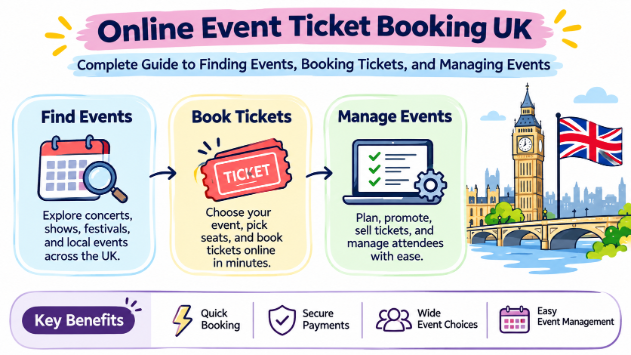
Introduction
The United Kingdom offers many exciting events throughout the year. People can enjoy concerts, festivals, comedy shows, and exhibitions. There are also workshops, business conferences, and community gatherings.
Finding the right event can take time. People often visit different websites to compare event details. They also want clear ticket information and simple booking options.
Online platforms make this process easier. They help people explore events by location, date, category, and interests. Visitors can also check event schedules, venues, admission details, and registration options.
Online Event Ticket Booking UK is a convenient way to plan experiences. It helps people explore activities before choosing an event. However, attendees should always check event details before booking.
MyEventsNow UK aims to connect event organisers with people across the United Kingdom. It brings event discovery, ticket information, registration, and event publishing together. Visitors can explore different experiences, while organisers can publish event information.
Whether you live in London or visit Manchester, online event discovery can help. It can also help organisers reach people interested in their activities.
This guide explains event discovery and online ticket booking. It also covers registration, ticket sales, event promotion, and management.
1. Online Event Ticket Booking UK: How Does It Work?
Online event ticket booking allows people to explore events and access available tickets online. It reduces the need for manual enquiries and physical ticket collection.
Most platforms follow a simple process. However, the exact steps depend on the event and ticket provider.
Steps for Booking Event Tickets Online
Step 1: Search for an Event
Start by searching for an event that matches your interests. You can explore concerts, festivals, exhibitions, and workshops.
Use location and date filters when available. These filters help narrow down your choices.
Step 2: Review Event Information
Open the event page and read its details. Check the event date, start time, venue, and description.
Also, review the organiser’s contact information where available. Clear details help you make a better choice.
Step 3: Explore Ticket Options
Some events offer different ticket types. These may include general admission, VIP access, student tickets, or group tickets.
Not every event offers all these options. Check the available choices before continuing.
Step 4: Review the Booking Conditions
Read the ticket terms before making a payment. Check refund rules, age limits, entry conditions, and extra charges.
Also, check whether the ticket has a name or identity requirement.
Step 5: Complete the Booking
Follow the instructions shown by the event or ticket provider. Enter the required details and use an available payment method.
Payment options depend on the provider. Do not assume every event supports the same payment methods.
Step 6: Save Your Confirmation
Check your email or booking account for confirmation. Save your ticket and any reference number.
Follow the organiser’s instructions for entry. Some events may require a digital ticket or printed copy.
What Should You Check Before Booking?
- Correct event date and time.
- Full venue address.
- Ticket type and admission rules.
- Total price and additional charges.
- Refund and cancellation conditions.
- Age restrictions.
- Accessibility arrangements.
- Ticket delivery or collection method.
- Event organiser details.
MyEventsNow UK provides an event discovery and ticket information experience. Visitors can explore event pages and access available booking options. The actual booking process depends on the event’s enabled options.
2. Upcoming Events in the UK: Where Can You Find Them?
The UK has a wide range of events throughout the year. These activities attract residents, tourists, students, and professionals.
People can discover events through online platforms, venue websites, organiser announcements, and community groups.
Popular Types of Upcoming Events
Some events focus on entertainment. Others help people learn, meet new people, or explore local culture.
Here are some common event categories.
| Event Category | Common Examples | What Attendees Can Explore |
|---|---|---|
| Music | Live concerts and music festivals | Artists, performances, and music styles |
| Festivals | Cultural and seasonal festivals | Local traditions, food, and entertainment |
| Comedy | Stand-up and comedy nights | Live performances and humorous shows |
| Workshops | Art, business, and creative classes | New skills and practical learning |
| Exhibitions | Art, technology, and trade exhibitions | Displays, products, and creative work |
| Conferences | Business and professional conferences | Industry knowledge and expert talks |
| Networking | Professional and social meetups | New contacts and shared interests |
| Community | Local gatherings and charity events | Community activities and social connections |
| Sports | Fitness events and sporting activities | Participation and live competition |
| Theatre | Plays and performing arts | Stage performances and cultural experiences |
How to Plan for Upcoming Events
Start by deciding what type of experience you want. Then choose a location and suitable date.
Consider these practical steps:
- Search for events several weeks ahead.
- Compare dates and available ticket options.
- Check the venue and transport arrangements.
- Review the event description carefully.
- Follow the organiser for important updates.
- Save booking confirmations and event reminders.
- Check the event status before travelling.
Some popular events may sell out quickly. So, early planning can help you find suitable options.
MyEventsNow UK helps visitors explore different event categories. People can use its event discovery experience to review available listings and event information.
3. Events Near Me: How to Discover Local Activities
Searching for Events Near Me helps people find activities close to their location. It is useful for residents, tourists, students, and families.
Local events can offer enjoyable experiences without long journeys. They can also help people connect with their communities.
Ways to Find Events Near Your Location
1. Search by City or Area
Start with your town, city, or neighbourhood. This helps you find events within a suitable travel distance.
2. Choose an Event Category
Think about your interests before searching. You might prefer music, comedy, sports, food, or educational activities.
3. Select a Suitable Date
Check events happening during your free time. Weekend and evening events may suit people with busy schedules.
4. Compare Nearby Venues
Look at the venue address and travel options. Consider public transport, parking, and walking distance.
5. Review Event Details
Read the event description before making plans. Check the start time, admission rules, and available booking options.
Why Local Event Discovery Matters
Local event discovery helps people find new experiences. It can introduce them to smaller venues and independent organisers.
For example, a person living in Bristol might discover a local workshop. A visitor in Glasgow might find a music performance nearby.
People can also discover community events they would otherwise miss.
MyEventsNow UK aims to support location-based event discovery across British cities. Available listings and local coverage may vary. Visitors should check the latest event information before making plans.
4. Events in London: Discover Entertainment and Experiences
London is an important destination for entertainment, culture, education, and business events.
The city offers many types of experiences throughout the year. Visitors can explore large venues, independent spaces, galleries, and community locations.
Popular Event Experiences in London
Music Concerts
London attracts music fans with different tastes. People can explore live bands, solo artists, classical performances, and music festivals.
Festivals and Cultural Events
Cultural events introduce visitors to different traditions. They may include music, food, dance, art, and community activities.
Comedy Shows
Comedy clubs and entertainment venues host different performances. Visitors can explore stand-up shows and comedy events.
Art Exhibitions
London has galleries and exhibition spaces. These events help visitors explore photography, painting, design, and modern art.
Business Conferences
Professionals can attend industry meetings and business conferences. These events support learning, networking, and business discussions.
Workshops and Networking Meetups
People can explore creative classes and professional meetups. These activities offer opportunities to develop skills and build connections.
Tips for Finding Events in London
- Choose a suitable area before searching.
- Check the venue’s full address.
- Review the event date and starting time.
- Plan your journey using public transport.
- Check accessibility information.
- Compare ticket types and booking conditions.
- Allow extra travel time during busy periods.
People searching for Events in London can explore different categories and event listings. MyEventsNow UK aims to make event discovery easier for visitors and residents.
Always confirm the latest listing details with the event organiser.
5. Concert Tickets UK: Finding Live Music and Performances
The UK has a diverse live music scene. Music fans can explore different artists, genres, and performance styles.
Concerts take place in large arenas, theatres, clubs, outdoor spaces, and smaller music venues.
Types of Music Events to Explore
Live Music Concerts
These events feature singers, bands, and musicians. Visitors can enjoy pop, rock, jazz, classical, and other music styles.
Music Festivals
Festivals bring different performers together. They may offer several stages, food stalls, and other entertainment.
Independent Artist Performances
Smaller venues often support emerging musicians. These performances help audiences discover new talent.
Classical Music Events
People can explore orchestral performances and chamber music. These events may take place in concert halls and theatres.
Nightlife and Entertainment Shows
Some venues organise DJ performances and themed music nights. Check entry rules and age limits before booking.
Tips for Finding and Booking Concert Tickets
If you are searching for Concert Tickets UK, follow these steps:
- Search by artist, music genre, or city.
- Check the official event announcement.
- Confirm the date, time, and venue.
- Compare available ticket categories.
- Review seating or standing arrangements.
- Check booking fees and payment conditions.
- Read refund and ticket transfer rules.
- Save your booking confirmation.
Buy tickets through an official seller whenever possible. Be careful with social media sellers and unknown resale websites.
A ticket may have transfer restrictions. Some events may also require the original buyer’s name. Always read the event’s entry conditions.
MyEventsNow UK aims to help music fans discover concerts and entertainment events. Visitors can explore available listings and review their ticket information.
6. Event Ticketing Platform UK: What Does It Offer?
An Event Ticketing Platform UK helps organisers share event information and offer ticket-related services.
It can also help attendees explore events and understand available admission options.
The exact features depend on the platform. Some platforms provide complete ticket sales tools. Others focus on event discovery and registration information.
Important Features of an Event Ticketing Platform
Event Listings
Organisers can publish event information. Listings help potential attendees understand the event.
Ticket Information
Event pages can display ticket categories and admission details. They may also show prices and booking conditions.
Event Schedules
Organisers can share event timings and programme details. This helps attendees plan their visits.
Venue Information
A clear venue address helps visitors plan their journeys. Organisers can also share directions and access information.
Admission Options
Some events offer different admission types. These may include standard, VIP, student, or group access.
Booking Workflows
A booking workflow guides users through registration or ticket selection. Its steps depend on the platform and event setup.
Attendee Communication
Some platforms support booking updates and event messages. These help organisers share important information with participants.
What Should Organisers Compare?
| Feature | What to Check | Why It Matters |
|---|---|---|
| Event publishing | Listing creation and editing | Keeps event information clear |
| Ticket options | Available ticket categories | Supports different admission needs |
| Registration | Required attendee details | Helps manage participants |
| Payments | Supported payment methods | Helps complete eligible bookings |
| Communication | Email or booking updates | Keeps attendees informed |
| Reporting | Booking and registration records | Supports event planning |
| Venue details | Address and access information | Helps visitors reach the venue |
| Support | Available help channels | Helps resolve problems |
Before selecting a platform, check its pricing and service conditions. Also, confirm which features are included in your chosen plan.
MyEventsNow UK brings event discovery and organiser publishing together. Its stated organiser journey includes creating an account, publishing event details, and offering tickets through enabled workflows.
7. Event Registration Software UK: Making Registrations Easier
Event Registration Software UK helps organisers collect and manage participant information.
It can reduce manual work during event planning. It can also make registration easier for attendees.
Organisers use registration tools for conferences, workshops, exhibitions, training sessions, and community events.
How Event Registration Software Works
1. Registration Form Creation
Organisers create a form for their event. The form can request information needed for attendance.
Common details include:
- Attendee name.
- Email address.
- Contact number.
- Organisation name, where relevant.
- Ticket or admission choice.
- Special attendance requirements.
Only collect information that the event needs.
2. Participant Registration
Attendees complete the available form. They provide the required information and follow the registration instructions.
Some events offer free registration. Others may require payment or ticket selection.
3. Booking Information Management
Organisers can use registration records to review participant details. This helps them understand expected attendance.
4. Confirmation Messages
A registration system may send confirmation messages. These can include booking references and event instructions.
The exact communication features depend on the software.
5. Event Updates
Organisers may need to share schedule changes or venue information. A clear communication process helps attendees receive important updates.
Benefits for Event Organisers
Registration software can help organisers:
- Collect participant details in one place.
- Reduce repeated manual data entry.
- Review registration numbers.
- Organise attendee information.
- Share booking instructions.
- Prepare attendance lists.
- Manage communication more clearly.
Organisers should also protect attendee information. They should explain why they collect personal details and how they use them.
MyEventsNow UK aims to support organised event registration and booking information management. Available workflows depend on the event and platform setup.
8. List Your Event Online UK: A Guide for Organisers
Publishing an event online can help organisers reach interested people. It also makes event information easier to find and share.
Businesses, charities, educational institutions, and independent promoters can benefit from online event listings.
Who Can Publish an Event?
Different organisations can publish different types of events.
Businesses
Companies can promote product launches, business meetings, and professional gatherings.
Event Agencies
Agencies can publish conferences, exhibitions, entertainment shows, and public events.
Educational Institutions
Schools, colleges, and training centres can share workshops and educational activities.
Charities
Charities can promote fundraising activities, awareness events, and community programmes.
Community Organisations
Local groups can publish cultural celebrations, social gatherings, and neighbourhood activities.
Independent Promoters
Promoters can share music performances, comedy shows, and smaller entertainment events.
Venues and Service Providers
Event venues and related businesses can share useful information with organisers and visitors.
Steps to List Your Event Online
If you want to List Your Event Online UK, follow a clear publishing process.
Step 1: Prepare Your Event Information
Write the event name and a short description. Explain what visitors can expect.
Step 2: Add the Event Date
Include the correct date and starting time. Mention the expected end time when available.
Step 3: Share Venue Details
Provide the complete venue name and address. Add access information where relevant.
Step 4: Select an Event Category
Choose a category that matches the activity. This helps people understand the event quickly.
Step 5: Add Ticket Information
Explain whether the event is free or paid. Include available ticket types and prices where applicable.
Step 6: Explain Entry Conditions
Mention age limits and admission rules. Also, include accessibility and refund information where relevant.
Step 7: Review Before Publishing
Check spelling, dates, prices, and contact details. Correct information helps avoid confusion.
How MyEventsNow UK Supports Event Publishing
MyEventsNow UK describes an organiser process with three main steps:
- Create an organiser account.
- Publish the event information.
- Offer tickets through the available workflow.
This process gives organisers a structured way to present their activities.
Organisers should check the platform’s current terms and available features before publishing. They should also keep their listings updated when details change.
9. Sell Event Tickets Online UK: Practical Tips for Organisers
Online ticket sales can help organisers reach potential attendees. They also provide a way to share ticket information before an event.
However, successful ticket sales need more than a published listing. Organisers must provide clear information and make the booking process easy to understand.
How to Sell Event Tickets Online
1. Create a Clear Event Listing
Use a simple and accurate event title. Explain the main purpose of the event.
2. Set Suitable Ticket Categories
Different events may need different admission options.
For example, an organiser might offer:
- Standard admission.
- VIP admission.
- Student admission.
- Early booking tickets.
- Group admission.
Only publish categories that the event actually supports.
3. Display Clear Pricing
Show the ticket price and any compulsory additional charges. Explain what each ticket includes.
4. Explain the Booking Process
Tell attendees how to register or purchase tickets. Provide clear instructions for completing their booking.
5. Choose Suitable Payment Options
Use payment methods supported by the selected platform. Confirm how payments, fees, and refunds are handled.
6. Promote the Event
Share event information through suitable marketing channels. These may include social media, email newsletters, and local communities.
7. Communicate With Attendees
Send important updates when needed. Keep participants informed about schedule or venue changes.
How to Improve Event Ticket Sales
- Use an attractive and accurate event description.
- Add clear venue and schedule details.
- Explain the benefits of attending.
- Publish ticket conditions before booking.
- Share genuine event images where permitted.
- Promote the listing through relevant channels.
- Respond to attendee questions.
- Update ticket availability when it changes.
Important Things to Remember
Do not claim that tickets are nearly sold out without accurate information. Avoid misleading prices and unclear admission conditions.
Organisers must also explain cancellation and refund rules. These rules should match the applicable law and booking terms.
MyEventsNow UK aims to connect organisers with potential attendees. Organisers can explore its event publishing and ticketing workflows, subject to the features available for their events.
10. Event Management Software UK: How Does It Help?
Event Management Software UK helps organisers plan and coordinate event activities.
It can support different stages of event planning. These include publishing, registration, promotion, and attendee communication.
The software needed depends on event size and complexity.
Common Uses of Event Management Software
Event Planning
Organisers can prepare event schedules and important details. This helps teams understand their responsibilities.
Event Publishing
Publishing tools help organisers share event information online. Attendees can then explore the available details.
Registration Management
Registration tools help collect participant information. They can also support booking record management.
Ticket Management
Some platforms support ticket categories and sales workflows. Features vary between providers.
Event Promotion
Organisers can share event listings through different channels. This helps interested audiences discover activities.
Venue Discovery
Venue information helps organisers and attendees understand event locations. Some platforms also connect people with event-related services.
Attendee Communication
Communication tools help share event instructions and updates. This is useful before and during an event.
How to Choose the Right Software
Before choosing a solution, consider these points:
| Selection Factor | Questions to Ask |
|---|---|
| Event size | Can it support your expected attendance? |
| Registration | Can it collect the details you need? |
| Ticketing | Does it support your ticket types? |
| Payments | Are suitable payment methods available? |
| Promotion | Can you publish and share event listings? |
| Reporting | Can you review booking information? |
| Data protection | Does it explain how personal data is handled? |
| Pricing | Are the costs and fees clear? |
| Support | Can you contact the provider when needed? |
Why a Combined Event Platform Can Help
Using separate tools for every task can create extra work. Organisers may need to manage different event pages and registration records.
A combined platform can bring related workflows closer together. It can make event information easier to manage.
MyEventsNow UK aims to bring event discovery, publishing, registration, and ticketing together. Its goal is to become a trusted British event marketplace.
Organisers should review its current features before selecting it for their event needs.
D. Common Mistakes and Their Solutions
Event discovery and booking can become confusing without proper planning. Organisers can also face problems when event information is incomplete.
Here are eight common mistakes and practical ways to avoid them.
1. Booking Without Checking the Event Date
The mistake: Some people book tickets without checking the full date. They may confuse similar event dates or times.
Why it creates problems: They could miss the event or arrive at the wrong time.
The solution: Check the event date and starting time before booking. Save the confirmation for future reference.
2. Ignoring the Venue Location
The mistake: Attendees sometimes check the event name but ignore the venue address.
Why it creates problems: The venue may be far from their location. Travel costs and journey times can also increase.
The solution: Check the complete address before booking. Plan your route and transport options early.
3. Buying Tickets From Unknown Sellers
The mistake: Some buyers purchase tickets from unknown social media accounts.
Why it creates problems: They may receive fake or invalid tickets. Getting their money back can also become difficult.
The solution: Prefer the official ticket seller or venue. Check seller details and avoid unsafe payment requests.
4. Ignoring Refund Conditions
The mistake: Buyers sometimes assume every ticket is refundable.
Why it creates problems: Event refund rules can vary. A personal change of plans may not qualify for a refund.
The solution: Read the refund policy before paying. Save a copy of the booking conditions.
5. Choosing an Event Without Reading Its Description
The mistake: Some attendees book tickets using only the event title.
Why it creates problems: They may misunderstand the event format, audience, or activities.
The solution: Read the complete description. Check the programme, age limits, and admission requirements.
6. Publishing Incomplete Event Listings
The mistake: Organisers sometimes forget to add important information.
Why it creates problems: Attendees may not understand the event. They may also contact organisers repeatedly for basic details.
The solution: Add the date, venue, schedule, description, and ticket information. Review everything before publishing.
7. Setting Unclear Ticket Prices
The mistake: Organisers may display prices without explaining extra charges.
Why it creates problems: Buyers may feel confused during checkout. Unexpected costs can reduce trust.
The solution: Explain ticket prices and applicable fees clearly. Show the total payable amount before payment.
8. Promoting an Event Without Updating Its Details
The mistake: Organisers may continue sharing old event information.
Why it creates problems: Attendees may receive incorrect dates or venue details.
The solution: Update the event listing whenever changes happen. Share important updates through suitable communication channels.
E. Benefits of Using an Online Event Platform
Online event platforms help attendees and organisers in different ways. They provide a structured place to explore or publish event information.
However, available features depend on the selected platform.
Benefits for Attendees
Easier Event Discovery
People can explore different event categories in one place. This can reduce the time spent searching multiple websites.
Location-Based Exploration
Location filters can help users discover nearby activities. They can also explore events in other cities.
Convenient Event Information
Event pages can display dates, venues, descriptions, and schedules. This helps visitors plan before booking.
Simplified Ticket Exploration
Attendees can review available ticket options. They can also check admission conditions.
Accessible Registration Information
Clear registration details help visitors understand how to participate. They can follow the stated booking process.
Better Planning
People can compare different activities and dates. This makes it easier to plan weekends and holidays.
Benefits for Organisers
Better Event Visibility
Online listings give organisers another way to present their activities. Interested people can discover the information through event searches.
Organised Event Listings
A structured listing keeps important information together. This makes event details easier to review.
Registration Support
Available registration workflows can help organisers manage participant information.
Ticketing Opportunities
Eligible event listings can offer available ticket options. The exact sales process depends on platform support.
Improved Communication
Clear event pages and available communication tools can help organisers share updates.
Centralised Publishing
A combined platform can reduce the need to manage separate event discovery and publishing workflows.
Service Provider Opportunities
Venues and event-related service providers can benefit from better connections with organisers.
Comparing Benefits for Attendees and Organisers
| Platform Feature | Benefits for Attendees | Benefits for Organisers |
|---|---|---|
| Event discovery | Find suitable activities | Reach interested audiences |
| Location filters | Explore nearby events | Attract local participants |
| Event information | Understand event details | Share accurate information |
| Ticket options | Compare admission choices | Present available ticket types |
| Registration | Follow booking steps | Organise participant details |
| Communication | Receive event updates | Share important announcements |
| Venue details | Plan journeys | Explain event locations |
| Event publishing | Explore new experiences | Promote activities online |
| Service connections | Discover event-related services | Find useful event partners |
The Role of MyEventsNow UK
MyEventsNow UK aims to bring attendees and organisers together. Its platform description covers event discovery, venue information, registration, publishing, and ticketing opportunities.
It also aims to support businesses and event-related service providers. Its wider goal is to build a trusted event marketplace across the United Kingdom.
Attendees should check the details of each listing. Organisers should confirm the available features before using a particular workflow.
F. Practical Examples and Scenarios
The following examples are fictional. They explain how people might use online event platforms.
Scenario 1: A Visitor Discovering a Festival in London
Imagine a tourist visiting London for a weekend. They want to explore a local cultural festival.
They search for events by city and date. They compare event descriptions and venue locations.
After finding a suitable listing, they review admission details. They then follow the available booking instructions.
This helps them plan their visit without searching many separate sources.
Scenario 2: A Music Fan Searching in Manchester
Imagine a music fan living in Manchester. They want to attend a live music performance.
They search for concerts by location and music category. They compare event dates and available ticket types.
Before booking, they check the venue and entry conditions. They also review the refund policy.
This helps them choose an event that matches their plans.
Scenario 3: A Business Organising a Conference in Birmingham
Imagine a business planning a professional conference in Birmingham.
The team prepares the event title, description, venue, and schedule. It also decides which attendee details are needed.
The organiser publishes the listing through a suitable platform. They then manage registrations through the available workflow.
This helps the team share event information and organise participant records.
Scenario 4: An Independent Promoter Publishing in Edinburgh
Imagine an independent promoter arranging a community music event in Edinburgh.
The promoter prepares the event description and venue information. They also define the admission conditions and available tickets.
They publish the listing and share it with local communities. Interested people can review the details and follow the stated booking process.
This provides another way to promote a smaller event.
G. Frequently Asked Questions (FAQs)
1. What is Online Event Ticket Booking UK?
Online event ticket booking allows people to explore events and access available tickets online. Users can search by location, date, and event category. They can review event descriptions, venue details, and admission options. The booking process depends on the event provider. Always check ticket prices, payment methods, and refund conditions before completing your booking.
2. Where Can I Find Upcoming Events in the UK?
You can find upcoming events through online event platforms, venue websites, and organiser announcements. These sources may list concerts, festivals, exhibitions, comedy shows, and workshops. Search by city, date, or event category to narrow your choices. MyEventsNow UK also aims to help visitors explore different event categories and available event listings.
3. How Can I Find Events Near Me?
You can find local events by searching with your town, city, or postcode. Choose your preferred date and event category. Then review the venue address and available transport options. Online event discovery platforms can help you explore nearby activities. Always confirm the event location and schedule before making travel plans.
4. How Can I Discover Events in London?
You can discover events in London by exploring music, festivals, comedy, exhibitions, and professional gatherings. Search by event category, date, and preferred location. Compare venue details and available admission options before booking. Check public transport arrangements and event conditions. Online event platforms can also help visitors explore different experiences across the city.
5. Where Can I Find Concert Tickets UK?
You can explore concert tickets through official event websites, venue websites, and suitable ticketing platforms. Search by artist, music genre, or city. Review ticket categories, seating details, and total costs. Check whether the seller is authorised before purchasing. Also, read the event’s refund and ticket transfer policies to avoid problems.
6. What Is an Event Ticketing Platform UK?
An event ticketing platform helps organisers present events and offer available ticket options. It may include event listings, ticket categories, venue details, schedules, and booking workflows. Some platforms also support registration and payment management. Features differ between providers. Attendees should review the event information, while organisers should compare platform services and fees.
7. How Does Event Registration Software UK Help Organisers?
Event registration software helps organisers collect and manage attendee information. It can support registration forms, participant records, booking confirmations, and event communication. Organisers can use these tools for conferences, workshops, exhibitions, and community gatherings. The available features depend on the software. Always collect necessary information and protect attendee details.
8. How Can I List Your Event Online UK?
You can list an event by choosing a suitable publishing platform. Prepare the event name, description, date, schedule, and venue details. Add ticket information and admission conditions where relevant. Review everything before publishing. Keep the listing updated whenever details change. MyEventsNow UK offers an organiser publishing journey for creating and sharing event information.
9. How Can Organisers Sell Event Tickets Online UK?
Organisers can sell tickets online through platforms that support ticket sales. They should create clear listings, define ticket categories, and display accurate prices. They must also explain booking conditions and available payment options. Promote the event through suitable channels. Keep attendees informed about important changes. Always confirm the platform’s fees and sales conditions.
10. What Is Event Management Software UK Used For?
Event management software helps organisers plan and coordinate event activities. It may support event publishing, registration, ticket management, schedules, and communication. Businesses and event agencies can use it for conferences, exhibitions, and entertainment events. The right software depends on event size, budget, and requirements. Compare features before selecting a platform.
11. Are Online Event Tickets Refundable in the UK?
Refund conditions depend on the event, ticket seller, and booking terms. If an event is cancelled or changed, eligible buyers may have refund rights. However, personal changes of plans do not always qualify. Check the seller’s refund policy before purchasing. Contact the official seller if you need help with a cancellation or refund.
12. Is MyEventsNow UK Suitable for Attendees and Event Organisers?
MyEventsNow UK aims to support both event attendees and organisers. Visitors can explore event categories, review listings, and access available booking information. Organisers can create accounts, publish event details, and offer tickets through enabled workflows. Its marketplace also aims to connect businesses, venues, and event service providers across the United Kingdom.
Conclusion
Online Event Ticket Booking UK makes event discovery and planning more convenient. People can explore concerts, festivals, workshops, exhibitions, and community activities. They can compare event details and review available booking options before attending. Organisers can also benefit from online publishing, registration, ticketing, and promotion workflows. Choosing the right platform helps keep event information clear and accessible. MyEventsNow UK aims to connect attendees, organisers, venues, and service providers through one event marketplace. Whether you want to discover local activities or promote an event, organised event information makes planning easier.
Leave a Reply